Every Other Conversation Has an Audience Except This One
The board wants confidence, your team wants certainty, and those who care about you want to stop worrying about you. The Private Table is confidential 1:1 coaching or advisory services for the decisions that have outgrown the advice around you, with someone who spent 20+ years close enough to the fire to smell it.
If One of These Is Yours, You're in the Right Place
- A decision in front of you has outgrown any advice you've been given, and everyone offering it has a stake in the outcome.
- You were promoted past your support system. The title grew, but the circle of people you can think out loud with contracted.
- You're holding your team steady while the ground keeps moving, and nobody is holding you.
- You've been translating your candor into something safer for so long that you're losing track of the original.
- You know it's time to leave, and you're not yet free to go. The in-between needs to be managed deliberately.
- The politics around a decision have become more complicated than the decision itself.
The real decision often gets made in the ninety seconds after the meeting ends, between the two or three people who trust each other enough to say what they actually think. Are you one of them?

A Standing Hour Built Around What You Need Now
Your time at The Private Table is yours. There is no diagnostic gauntlet or framework you have to sit through before you're allowed to talk about what's actually going on.
A Fit Conversation
You bring what's weighing on you and leave knowing whether the Private Table is the right place to work through it without once looking at a pitch deck. Some people get what they need from that single conversation and that's a fine outcome. Some people need more time, and that's when we will work together to design what is next.
The Standing Hour
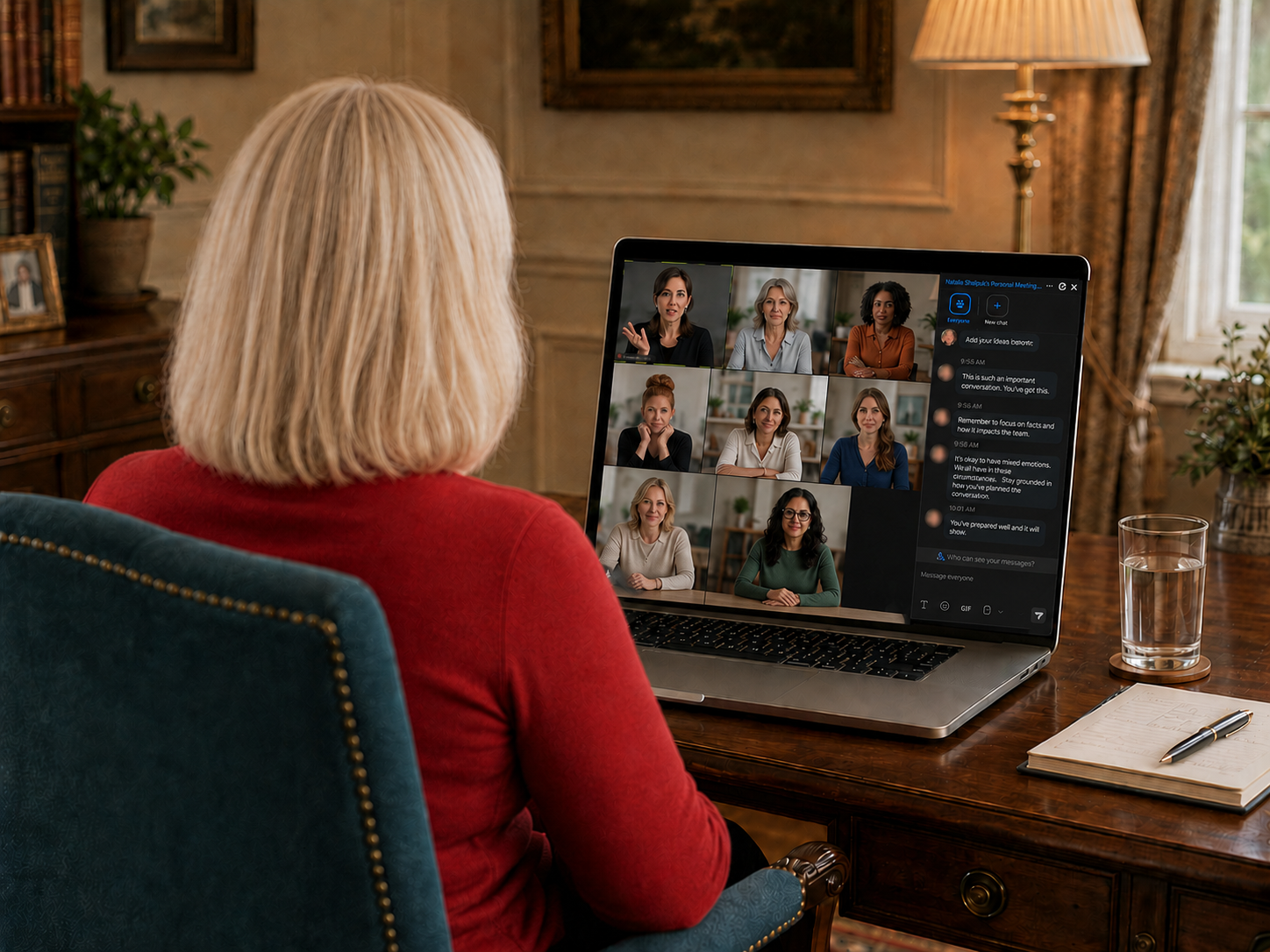
A recurring private conversation, usually every two to four weeks, follows your agenda. Together, we examine what the month actually produced: the board dynamic, the succession question, the reorganization, or the thing you can't say anywhere else.
The Evidence to Build Your Development Plan
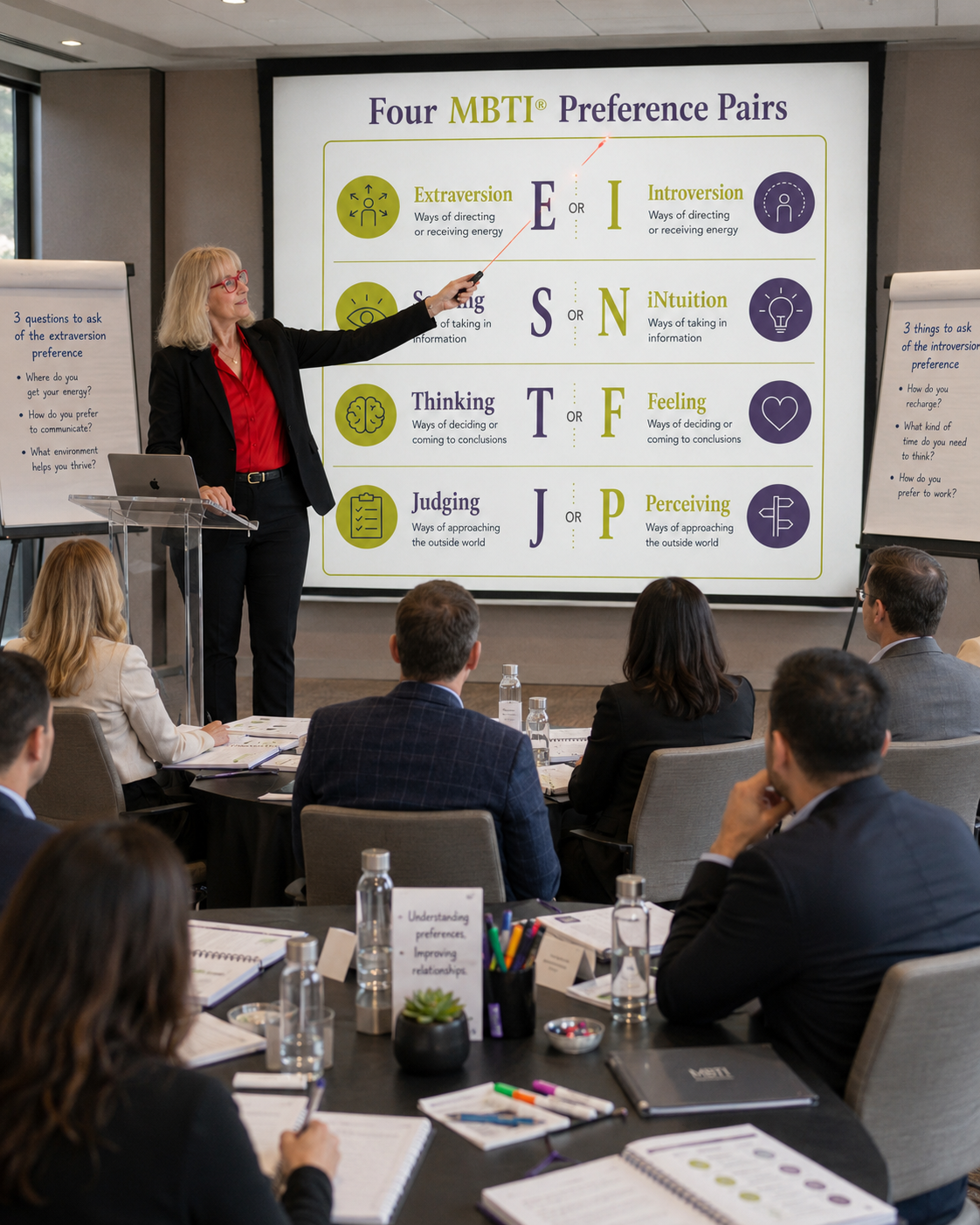
To support our conversations, we can include useful assessments like qualitative 360s, any of the three MBTI® levels, Insight Under Pressure, or Hogan properly debriefed (rather than filed away) to flesh out your development picture and priorities.
Most leaders prepare their content, but few prepare their influence. Before entering the high-stakes room: know whose perception actually matters, decide how you want them to experience you, and choose your lever on purpose.
Who This Table Is Set For
This is for you if
- You hold senior scope and the decisions on your desk carry consequences beyond your own career.
- You want a coach or advisor who will push back with no stake in which way you decide.
- You're willing to say the unpolished version out loud at least once a month.
- You want to explore evidence and the hidden meaning behind patterns with someone who has seen it and lived it through the cultural whiplash of mergers, acquisitions, and divestitures at Fortune-ranked companies.
This isn't the right table if
- You want validation for a decision you've already made. That's cheaper to get elsewhere.
- Someone else is sending you and you wouldn't come on your own.
- What you need most right now is therapy. That's honorable work, and it's a different room.
The Isolation Is Structural and Measured
Research on leadership isolation shows that the more senior the seat, the fewer places a leader can think out loud.
CEOs receive no coaching or leadership advice from outside the company at all. Among those who do, nearly all say they value it, and 78% sought it out themselves.
Stanford GSB / The Miles Group executive coaching survey, 2013The share of CEOs who turn to their own board for honest feedback. In the same survey of 402 chief executives, only 32% felt fully prepared for the role once they were in it.
Egon Zehnder study of 402 CEOs, 2018The share of C-suite executives who say they always or often feel exhausted or stressed. A similar share would consider leaving for a company that took their wellbeing seriously.
Deloitte workplace well-being research, 2024The CEO of UPS described the seat as "extraordinarily lonely" in a 2024 Fortune essay, noting her own executive team waits for her to leave the room before they debrief. A widely cited survey reported in Harvard Business Review as far back as 2012 found half of CEOs experience loneliness in the role. Every figure in this section links to its source; nothing here is invented.
If This Is Close, but Not Quite It

Ready for the Private Table?
The fit conversation works best when you arrive ready — and no amount of skill on the coach's side substitutes for that. These ten questions tell you whether now is your time. Answer honestly; nobody scores this but you. A clear "not yet" is a passing grade.
Before the Fit Conversation
If your score says go, finish these three sentences and bring them. They'll save the first twenty minutes.
The fit conversation has a modest fee to ensure that you will be present for the call and it will be applied to a future engagement if you choose to move forward.
Bring the decision, the dynamic, or the doubt. It starts the way all of this work starts: by noticing something true before offering anything else.
Are you ready?